
Find Cupertino Residents Through Records
Name your clue before picking a source. An address belongs with the Santa Clara County property roll. A court matter points to the Superior Court party index. Family history opens other doors. Death indexes, obituaries, probate files, newspapers, yearbooks, and older directory volumes all carry household hints. A lone name is a weak anchor. Records can merge similar people or omit protected details. Anchor two facts instead. Pair a middle initial with a date, or a parcel with a deed number.
Property records identify an owner or a legal parcel. They say nothing about who is inside today. The public voter tool checks a voter's own registration rather than building a street list. Historical sources add clues, not a guaranteed current address. A resident lookup works better once you respect each limit.
- Define the task as current, former, or historical. Write down the known name, address, date range, family link, school, or parcel clue.
- Resolve a known address through the county assessor by situs address or APN. Keep the APN and the latest title-changing document number together.
- Use the California voter self-lookup only for the person's own registration check. Do not treat it as a public name, street, or ZIP search.
- Take the document number and parties to the Clerk-Recorder, then use court, vital, newspaper, or library sources that match the question.
- When an existing record is not online, make a narrow request through the proper city, county, court, or state channel instead of asking an office to create a new list.
An address-led search fits the Cupertino street directory path. One clue feeds the next. That route keeps parcel, deed, permit, and map findings moving in a single chain, while a name-led search needs more cross-checks and a firm stop when records turn confidential.
Where Cupertino Resident Records Are Kept
Cupertino is an incorporated city inside Santa Clara County. It is not its own records jurisdiction. The Clerk-Recorder keeps recorded real-estate documents, birth and death records, marriage records, fictitious business names, and notary records. The assessor keeps the current property roll. The Registrar of Voters holds registration data, though residence addresses, phones, emails, and precinct details stay confidential from the general public.
City-created material starts elsewhere. The Cupertino City Clerk and Community Development Department handle agendas, minutes, ordinances, budgets, permits, and planning files. Visit the clerk at 10300 Torre Avenue. The phone is 408-777-3223, and email goes to CityClerk@Cupertino.gov. Counter hours run Monday through Thursday, 7:30 a.m. to 5:30 p.m., with virtual Friday service from 7:30 a.m. to 4:30 p.m. and a noon to 1 p.m. lunch closure. Planning files stay with the city.
Santa Clara County Clerk-Recorder
Official Records Division
San Jose, CA
Counter and workstations
Santa Clara County Assessor
Real Property Search
Address or APN lookup
Free search
Santa Clara County Registrar of Voters
1555 Berger Drive, Building 2
San Jose, CA
408-299-8683
The split matters. A deed or assessment hit is never a voter result. A city permit is not a title record. Begin with the custodian who owns the record. Then carry the APN, document number, case number, or date onward. Even a failed search helps, since it shows which channel remains unchecked.
Cupertino Property Search Fields
The Santa Clara County Real Property Search offers three entry points: Simple Address Search, Advanced Address Search, and Search by APN. The form is built around the parcel's physical situs. It ignores the owner's mailing route. A terms checkbox must be ticked before any search runs. The county interface shows no public owner-name tab. The county's separate voter self-check works differently from an address search, and the field set makes that contrast plain.
| Portal | Field or control | Type | Required | Format or privacy note |
|---|---|---|---|---|
| Property Search | Property address | Text | Simple mode | Situs address, not owner mailing address |
| Property Search | Street Number | Text | Advanced mode | Use with street name |
| Property Search | Street Direction | Dropdown | No | Values supplied by the portal |
| Property Search | Street Name | Text | Yes | Advanced address field |
| Property Search | Street Type | Dropdown | No | Dynamic options |
| Property Search | Unit | Text | No | Use when a unit is part of the address |
| Property Search | City | Dropdown | Yes | Choose Cupertino for incorporated parcels |
| Property Search | APN Number | Text | APN mode | 12345678 or 123-45-678 |
| Property Search | Terms checkbox | Checkbox | Yes | Accept before Search |
| Voter self-lookup | First Name and Last Name | Text | Yes | Identity fields for the voter |
| Voter self-lookup | Drivers License or ID | Text | Conditional | Paired identity route |
| Voter self-lookup | Social Security Number, last four digits | Text | Conditional | Alternative verification route |
| Voter self-lookup | Birthdate | Date | Yes | MM/DD/YYYY |
| Voter self-lookup | Go | Button | Yes | Minimal self-verification result |
Cupertino's own parcel map is a different animal. It advertises address, owner-name, and APN searches, and layers on land use, zoning, lot and building details, assessment values, map links, sanitary district data, and street-sweeping days. Treat the city map as its own tool. It matters most when the county assessor form offers no owner-name option.
- Resident roll
- A record set that names or describes people for a defined purpose; no single public roll lists every Cupertino household.
- Index
- A searchable pointer to a record, such as a party name, document number, date, or case number, rather than the full record image.
- Parcel
- A legally defined piece of land identified by an APN and related descriptions; a parcel is not the same as a household.
- Criss-cross directory
- A reverse directory that starts with a street and number, then points toward a named occupant or telephone entry when a verified volume contains it.
Cupertino Residents Directory Sources
No single official Cupertino resident directory exists. The pieces still fit together. The assessor and city map are parcel-led. The Clerk-Recorder is party-led once a document number surfaces, while the voter tool stays a self-check. Court, permit, business, registry, and unclaimed-property results can hand you a clue without proving where anyone lives now, yet together they form a working Cupertino residents directory, one narrower answer at a time.
| Source | What It Can Show | Keeper | Access |
|---|---|---|---|
| Real Property Search | APN, situs, assessed facts, recent transfer document | Santa Clara County Assessor | Free address or APN search |
| Property Information Map | Owner-name option, parcel context, land and building details | City of Cupertino | Online, city jurisdiction only |
| Official Records | Deed parties, document type, date, number, legal description | Clerk-Recorder | Workstations, Digital Reel, copies |
| Voter self-lookup | Minimal registration confirmation for the voter | Registrar of Voters | Self-verification, not a public street search |
| Permit records | Project address, dates, scope, and public contacts | Cupertino Community Development | Accela and Laserfiche |
| Court case index | Parties, case type, dates, status, and public hearings | Santa Clara Superior Court | Portal and courthouse channels |
| Library collections | Historical addresses, obituaries, school and community clues | Cupertino Library and SCCLD | In-library and library databases |
| Unclaimed property | Name and city association that may suggest an old link | California State Controller | Free name search |
Match each source to the fact it can prove. A permit ties a contact to a project and date. A deed ties named parties to a parcel. Any result grows stronger when a second custodian confirms the same date, parcel, case, or family link.
Cupertino Recorder Research Goes Offline
One local quirk reshapes Cupertino deed work. Santa Clara County pulled its remote grantor-grantee search on November 5, 2018. The official-record index is not an address search. The Recorder will not run title searches either. Online research can still hand you an address-to-APN lead or a recent document number, but the party-name work continues at public workstations in the records office. The counter index covers 1981 to the present. Digital Reel covers 1850 through 1980. Bring a current driver license or state ID for book and microfilm resources. Workstation searches can run by document number, date, class, APN, grantor, grantee, or a combined party mode. The index shows each name as recorded. You also get the document number, recording date, and document type or class. An opened image can display the parties, legal description, APN when supplied, return or mailing address, and substantive terms unless lawfully redacted. Records before May 1, 1995 may cite book and page. Later ones use a serial or instrument number. Crowded periods can cap a workstation session at one hour. Arrive early. The chain is simple in concept. Take the assessor's latest title-changing document, open that deed, then search the seller as an earlier grantee, confirming the APN and legal description at every step because one party can convey more than one parcel.
Cupertino Voter Lookup Fields and Limits
Voter records in California work differently from a street directory. Santa Clara County runs a Look Up Voter Registration tool, and it wants specifics: first name, last name, birthdate, and then a driver's license, a state ID, or the last four digits of a Social Security number. Hit Go and you get only minimal registration details. That is by design. The tool checks your own record. It will not search by street, ZIP, or someone else's name, so it cannot serve as a Cupertino resident lookup.
The secrecy rules are strict. Elections Code sections 2194 and 2194.1 shield residence addresses, phone numbers, email addresses, and precinct information from the general public for at least 100 years. Signatures, Social Security numbers, and driver's-license or state-ID numbers are never released at all. A requester with an approved election, scholarly, journalistic, political, or governmental purpose can apply for certain voter-file fields. Commercial use, though, is off the table.
Qualified requesters fill out a county form covering the applicant or organization, contact details, the requested geography, voter history, a qualifying purpose, a use description, recipient acknowledgments, a wet signature, the date, the fee, and payment. The signed application and fee go by mail to the Registrar of Voters. Candidate Services sits at 408-299-8639, and the Voter Registration Division at 408-299-8683, with the office at 1555 Berger Drive, Building 2, in San Jose. For ordinary purposes, that means no public list of voters along a Cupertino street exists as a lawful directory feature.
Note: A self-lookup confirms one registration record; it does not disclose a neighbor list, household roster, or public voter address.
Cupertino Permit Records by Address
Cupertino building records are strong address evidence. Each search ties to a project location and time. Past records can be searched in Accela without an account. Laserfiche browsing follows a set path. Open Public Records, then Building Department, then Building Permits, then the street-name folder, and finally the address-number folder. The city also offers a Template Search for building records. A result may show a record number and type, application or issue dates, project description, address, parcel, and professional or owner contacts when public. The Accela form can begin with Site Address, Record Number, Parcel Number, Record Information, Contractor License Information, or Contact Information. It also accepts project name, date range, street number, direction, street name, street type, unit, APN, and City, State, and Zip fields. The city's building-record instructions give the Laserfiche path. Test a narrow address question with those fields. Then compare the result with the assessor parcel. An applicant or contractor name evidences a project connection, not residence.
Jurisdiction clue. Cupertino says an address that does not autocomplete or return a result may be outside city jurisdiction. Route that address to county or neighboring-city records even when the postal label says Cupertino.
Cupertino Court and Vital Records
The Santa Clara Superior Court case-information portal is the first court index for Cupertino residents. Civil, small claims, probate, some family, traffic or local-ordinance, and criminal cases all appear. Search modes cover case number, case title, party name, filed date, disposed date, case status, and category within a case type. Criminal online indexing starts with 2004 filings. Earlier names need clerk help. Cupertino criminal matters sit at the Palo Alto Courthouse. The courthouse address is 270 Grant Avenue. The court-search entry point is useful for seeing case number, title or category, parties and roles, filing date, status or disposition, register of actions, and public hearing dates.
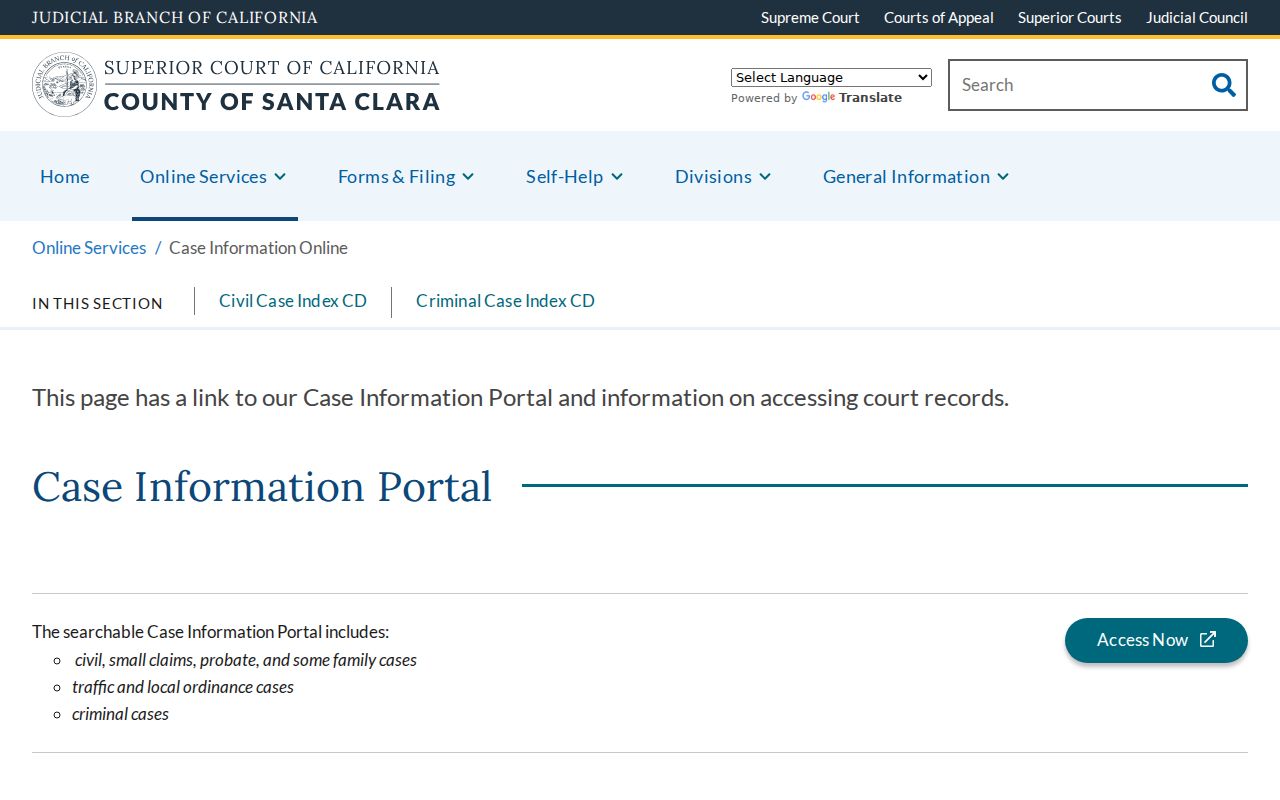
Pleadings usually come from the courthouse. A mailed copy request needs the case number, full party names, document title, and filing date. Enclose a self-addressed stamped envelope and a check. The fee runs $0.50 per page. Research beyond ten minutes and certification add charges. Vital records follow a different access rule. The county Clerk-Recorder and the California Department of Public Health issue birth, death, and marriage copies. Divorce material belongs to the court, and a state certificate is only a limited record. California separates authorized certified copies from informational certified copies under Health and Safety Code sections 103525-103526. Confidential marriage copies go only to parties or court-authorized requesters under Family Code section 509. The California vital-record access rules explain the application path. Effective in 2026, state fees are $31 for birth, $26 for death, $19 for marriage, and $18 for a dissolution certificate.
Cupertino Resident Heirs and Obituaries
A deceased Cupertino resident often leaves a trail. That trail is often easier to follow than a living neighbor's. Probate, obituary, death-index, and deed-succession records can converge on one date and one family link. Start with an obituary or a newspaper notice. Then check the Superior Court probate index. A probate petition may name heirs. Still, access rules, redactions, and where the case sits control what you can see. Death certificates carry eligibility rules of their own. Treat one as a record, not as an open name index.
Once a family tie is anchored, go back to the recorded-document chain. A deed image may hold the legal description, named parties, and a return address. That address appears when one was supplied. The assessor adds the parcel and the latest title-changing instrument. Newspapers may add an obituary or a sale notice. Newspapers can also carry a society item or a property notice. The best heir clue is a set of independent records. They should agree on a person, a date, a parcel, and a relationship.
For family history, keep the exact spelling each source used. Search maiden and married forms, initials, spacing, hyphens, and OCR variants. Probate connects an estate to named heirs. It grants no permission to publish a private family list. Nor may you infer where a living person lives now.
Cupertino Business and License Clues
The California Secretary of State business search covers filings by people and entities. It confirms that a name appeared in a filing. A registered agent or office is not residence proof. Searches accept a name or a file number. Advanced controls narrow by entity type or group, status, initial filing date, or public-company disclosure mode. Without narrowing, it returns up to 500 closest matches. The state publishes over 17 million free filing PDFs. The California business-entity search shows entity name and number, formation or registration date, status, and jurisdiction. It also lists street or mailing address, agent name and address, Statement of Information due date, and free filing PDFs.
A business-search view suits two jobs. Check an affiliation or trace an old address. The image leads to the official filing search rather than any compiled directory. California Department of Consumer Affairs tools add board-specific license details such as license number, status, issue or expiry information, and discipline links where supplied. An office address is still not a home.
Cupertino Safety and Unclaimed Property Leads
The official California Megan's Law registry is a narrow public-safety resource with public profiles and map information subject to statutory exclusions. It is not a residents directory. Its results must never be repurposed for contact, threats, or harassment.
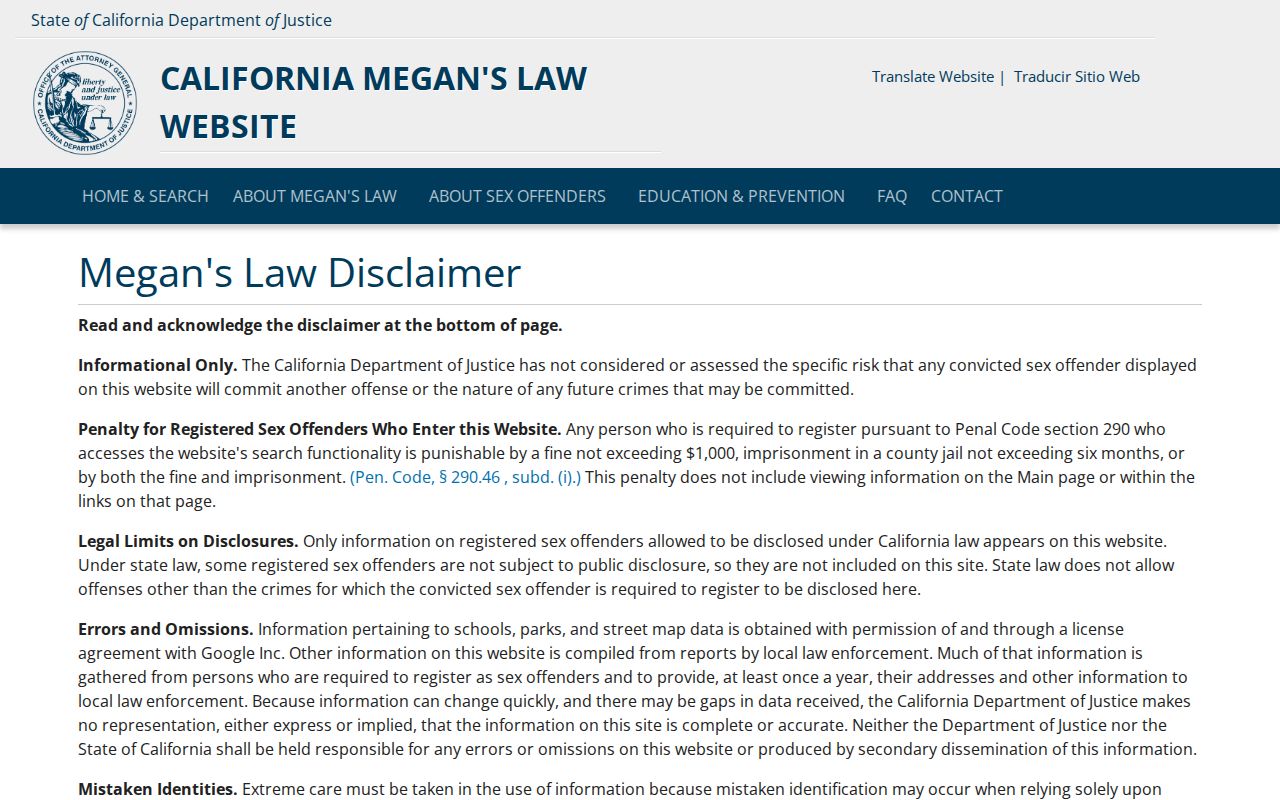
A registry result has one defined legal purpose. It carries its own misuse limits. Custody tools answer a custody or case question, not a home search, and holding that line keeps a public result from being mistaken for a current Cupertino resident record.
Use the official California Department of Corrections and Rehabilitation Inmate Locator for state custody. It reports custody information, not a Cupertino residence, and stays in a lane apart from property rolls or directory records.
The California State Controller unclaimed-property search offers one more clue. It searches a name and city. A Cupertino match may hint at an old association or address. It does not verify where someone lives now. File with the State Controller directly. An intermediary offering to file a claim adds nothing.
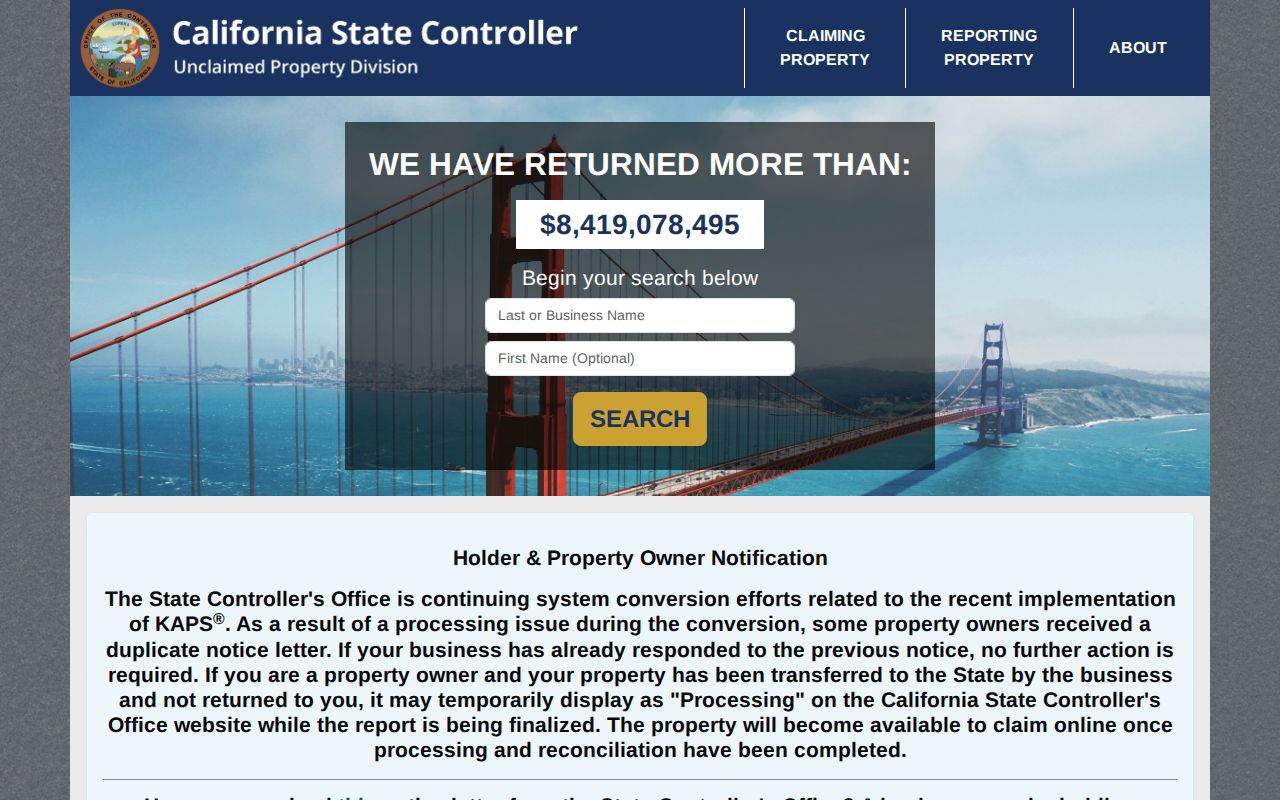
State tools help only when the question matches the record. Property, court, vital, and library work still comes first. These lookups supplement a custodian's record; they never establish who lives at an address in Cupertino.
Cupertino Residents Directory History
Cupertino's older resident trail runs wider than a single verified city-directory volume. The historical side of the Cupertino residents directory may file a household under Santa Clara County, Monta Vista, West San Jose, or another community label. The city was rural and unincorporated until 1955. Telephone and suburban volumes often hold Cupertino entries. Exact titles and publishers still need catalog confirmation.
Criss-cross sections turn a street into a name clue. They list streets in order with the number, the named occupant, and sometimes a telephone entry. Alphabetical entries may add a spouse, a home address, and household marks like “r” for resides or “h” for householder. For the full shelf, the entry format, and the year-pair method, follow the Cupertino city directory collections path. Start there. Do not treat an unverified volume as complete coverage.
Cupertino Library's Local History Spine
Cupertino Library holds Cupertino-Monte Vista Courier microfilm for 1972-1976 and Cupertino Courier microfilm for 1978-1996. SCCLD Digital ReeL carries the digitized local run from 1972-2018 for in-library use. The home archive holds a limited run of other county papers from 1895-1923. Fire-insurance maps, local-history books, DVDs, and yearbooks round out the collection.
The Cupertino Library local-history collection is available through the library, whose research contact is 408-446-1677. A librarian can check catalog-only volumes, map editions, yearbook titles, and obituary access. Search OCR with surname variants. Then browse the issue image, because historic columns are often misread. A newspaper can tie a person to an address through an obituary, society item, school honor, sale notice, or business ad. That does not mean every issue names every household.
For broader family work, SCCLD also provides Ancestry Library Edition in branches. HeritageQuest serves cardholders. Fold3 comes through a library subscription. My China Roots covers Chinese census, immigration, community-directory, burial, and lineage material. These collections extend the Cupertino residents directory into family history. They do not turn a historical clue into a current resident list. Federal census releases reach 1950 publicly under the 72-year rule. The 1960 release is scheduled for 2032.
Cupertino Records When Portals Stop
Portals do not hold everything. Start with the Cupertino City Clerk's Digital Archives and records-request channels before filing a CPRA request for agendas, minutes, resolutions, ordinances, budgets, or building permits. A good Cupertino request names a date range. It also needs a subject, a specific description, and contact information. The form takes a requester name, mailing address, email, and phone. Submit it at City Hall, by email, or through the online portal. Cupertino decides disclosability within ten days. Copy or microfilm fees may apply. The request itself is public, and records are held for ten days after an availability notice.
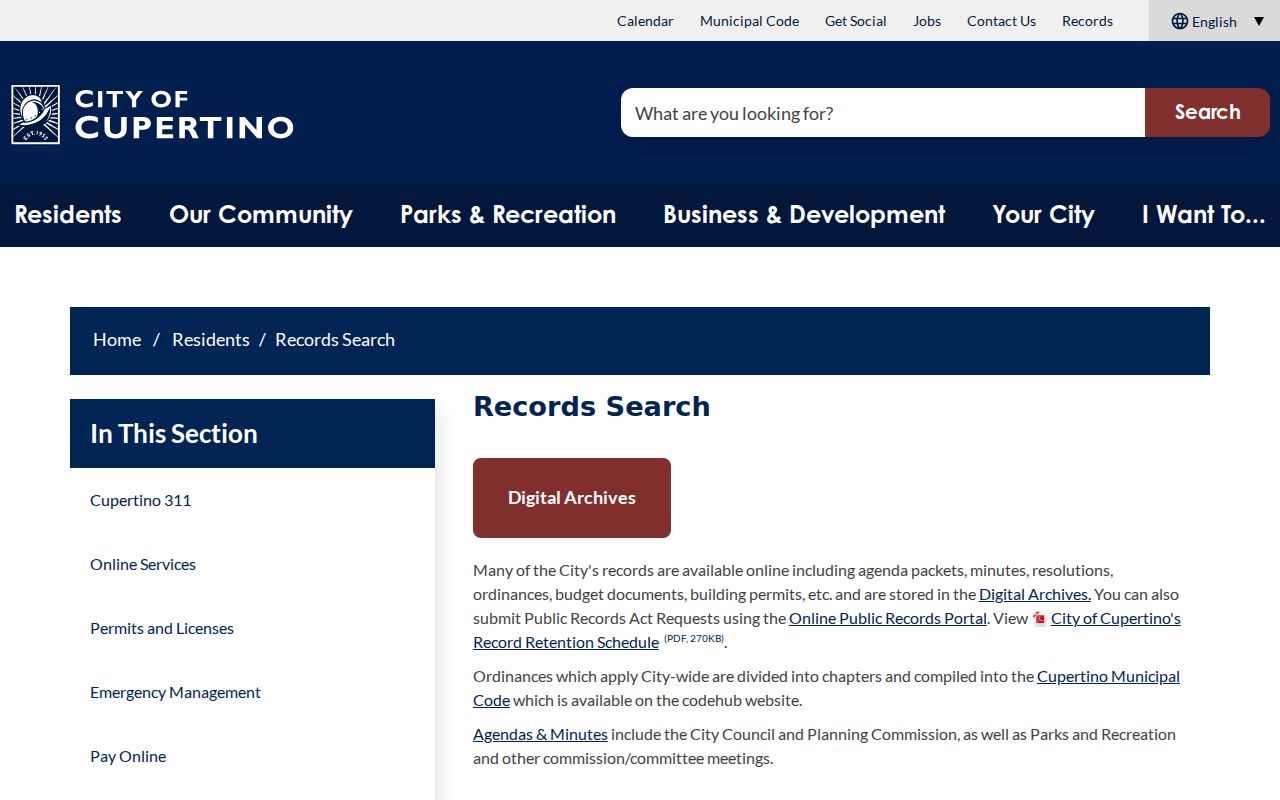
The city records image sits with the fallback path on purpose. It points to a public archive and a request channel, not to the idea that every Cupertino file is searchable from home.
County and state offices keep their own fallbacks. Clerk-Recorder images and copies are available at the facility or with an identifier. Court pleadings can be requested at the courthouse or by mail. Vital applications go through the state mail process. An authorized birth copy needs a notarized sworn statement when required. California Public Records Act requests target identifiable existing records. They do not produce answers to questions or newly made lists.
- 1850: Santa Clara County's documented official-record system begins, while Cupertino land may still use rural or township labels.
- 1955: Cupertino incorporates after a September 27 vote and becomes the county's 13th city on October 10.
- 1981-present: Clerk-Recorder public workstations supply the current searchable deed-index era after the older Digital Reel range.
- 2026: County Property Explorer combines parcel detail, map, and layers as the county replaces two older property applications.
A channel change is not proof of nothing. Missing a record online says nothing about the person or parcel. It signals a move from remote search to a counter, reel, request form, clerk, library, or archive.
Cupertino Records: Official or Compiled
Official custodian records and compiled commercial listings answer different questions. A custodian controls the original roll, case file, image, or application. That office can explain what its coverage includes. A compiled listing merges public and licensed data into one convenient name result, yet it can be stale, drop protected context, or fuse two people into one entry. Neither format replaces the record holder.
| Source type | Strength | Limit |
|---|---|---|
| Official custodian record | Known keeper, defined fields, and a path to an image or certified copy | Access, date range, confidentiality, and fees vary by record |
| Compiled listing | May gather several public clues into one starting point | May be stale, merged, incomplete, or detached from the source context |
| Library or archive collection | Preserves historical newspapers, maps, yearbooks, and directories | Coverage is collection-specific and often requires in-library access |
Treat a compiled result as a lead only. Verify it with the assessor, court, Clerk-Recorder, city, state, or library before trusting it. A name match becomes meaningful when an independent source agrees on a date, parcel, relationship, or filing number.
Protecting Cupertino Address Records
California privacy rules protect different records in different ways. Safe at Home gives qualifying survivors of domestic violence, stalking, sexual assault, trafficking, child abduction, elder or dependent-adult abuse, and specified threatened workers a substitute mailing address plus legal protections. Voter, DMV, court, and public-display rules add separate confidentiality controls. Recorded documents may still expose a return address. Redaction there requires a specific statute or process.
Under the CCPA and CPRA amendments, residents hold rights to know, delete, correct, and opt out of sale or sharing of covered commercial data. Exceptions include truly public government records. Civil Code section 1798.100 and the sections after it govern these rights. The Delete Act created DROP, letting Californians send one deletion request to registered data brokers starting in 2026. Broker deletion processing begins August 1, 2026. DROP erases no deeds and no records held by public custodians.
Lawful personal use. Cupertino records can support family history, civic research, property questions, reconnecting, and careful record verification. Do not use a name, parcel, court entry, registry result, or voter data to stalk, harass, threaten, or harm anyone. California Penal Code section 646.9 and Civil Code section 1708.7 provide relevant stalking boundaries.
When a record touches a protected person or a sensitive family matter, go to the originating custodian. Ask there about the right correction, confidentiality, or redaction path. Never publish a private contact list just because a source shows a public field.